An immersive approach to researching offshore cultural ecosystem services
Friday, 30 January, 2026
Share
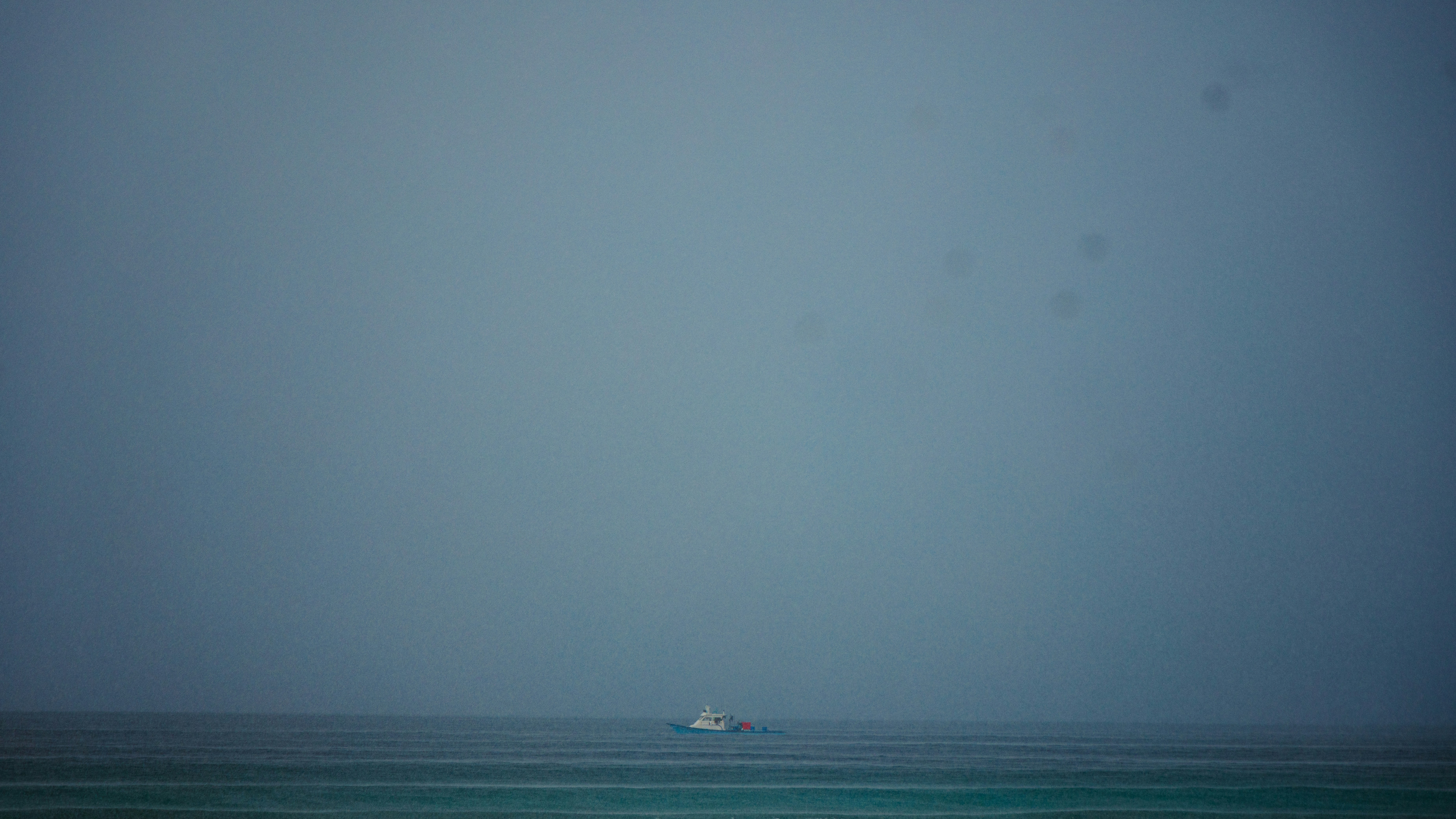
Marine areas, unlike coastal or inland locations, are often seen as uninhabited resource sites and rarely looked at as spaces of lived experience or cultural meaning. However, effective marine governance means understanding the full array of ecosystem benefits – including cultural ecosystem services (CES) such as a sense of place, belonging, identity and care. The CES of offshore environments are also important for considering various policy contexts including marine spatial planning, marine protected areas and marine cultural heritage.
We recently published a paper, entitled Offshore cultural ecosystem services: evidence from open-sea research, which addresses these gaps in understanding CES in marine areas.
To gather the data underpinning the paper’s findings, we placed a CES researcher on board the State-owned research vessel, the RV Celtic Explorer, to observe and conduct semi-structured interviews with researchers and crew. This took place in September 2023, when our research colleague joined 13 marine scientists and 10 crew members on a seven-day research cruise of the North Atlantic and Irish Sea, to map carbon storage in Ireland’s seabed habitats and investigate their potential to reduce greenhouse gas emissions.
Beneath the surface
Based on our colleague’s interviews and observations, the participants’ view of being offshore ranged from experiencing camaraderie on board the vessel, to a sense of feeling small in a vast marine setting.
However, many other perceptions emerged, including that the sea is an environment which demands respect and one to which the participants feel a strong connection.
Nineteen participants stressed that users of the sea need to respect it, having witnessed the sea’s full range from quiet calm to stormy conditions. Another crew member said the sea should be respected because of its cold waters and potential to be dangerous in bad weather. He described humans as “visitors” who need to be respectful of it.
Participants spoke about the sea’s many forms, whether calm or stormy, and the mix of emotions it evokes such as awe and relaxation, but also fear and even boredom. Others discussed fears of swimming at the coast due to the sea’s dangers and unpredictable conditions.
Yet, among the 19 participants, the sea’s dangers were not seen as detracting from its cultural benefits, but contributing to an ongoing relationship of knowledge and interaction. Our researcher noted:
One crew member says all he knows is working at sea. He's an ex-fisherman. His father was a fisherman, and his father before him was a fisherman. He's been working at sea for fifty years. He reckons you have to respect the sea. It can be calm, serene, and beautiful. But it can change in a second, and it can be very dangerous. Then he immediately lightened and said he likes the social aspect of being at sea. The crew’s lives are in his hands, and his life is in theirs. So, they depend on each other.
These types of reflections suggest that cultural benefits derived from the sea, in terms of aesthetic pleasure, sense of community, or connection to nature, can come from a relationship of respect formed through interaction over a long time.
Sense of stewardship
Elsewhere, 18 participants highlighted the need for protection and stewardship of the sea from human-induced drivers such as pollution, species depletion, and climate change.
For one crew member, this sense of stewardship came from a recognition of the sea’s economic benefits for fishing. This participant also noted observed changes, including rising sea temperatures in Irish waters and harmful practices like kelp harvesting which can damage environments for smaller fish. Another crew member highlighted efforts to minimise pollution from ships.
Marine scientists and sailors are witnessing changes and threats to marine environments, and may suffer ecological grief or anxiety as a result. One crew member shone a light on a dual perspective, saying:
It’s pretty horrible what’s happening to them [marine wildlife] at the moment. Through climate change, through mining, and through fishing and all the rest of it. The diversity and the biodiversity in the ocean is just incredible…it’s amazing working in this job, because you get access to be able to see, both in fishing, which obviously you’re killing them. But you still get to study and see them and learn from them. Which is great. And then the observations with the mammals and the birds. It’s incredible.
Key highlights
We found that offshore environments deliver a wide range of cultural ecosystem benefits, including a sense of community (with people), adventure, and knowledge acquisition or transferral. In addition, our research revealed that the sea’s unpredictability underpins cultural ecosystem disservices such as adventure or fear, while benefits lead to feelings of respect and connection to the marine environment.
To find out more, you can read our paper (opens in a new window)here.
Authors
- Ashley Cahillane - formerly UCD School of English, Drama and Film and UCD Earth Institute; currently School of Global Development, University of East Anglia, Norwich
- Johanna Forster - School of Global Development, University of East Anglia, Norwich
- Dorota Kolbuk - UCD School of Biology and Environmental Science and UCD Earth Institute
- John Brannigan - UCD School of English, Drama and Film and UCD Earth Institute